Showing posts with label columbia publishing course. Show all posts

Friday, July 3, 2009

Our book covers!

Our designers did such an awesome job with the book covers, whether they were approximating images that would theoretically be drawn by our chosen illustrators or starting fresh with graphic design.

(Believe me, I've gotten sick of all this "approximating" and "theoretical" and "fake" and "would-be" language, too, but we've needed to use it when contacting people all week. Apparently, the program ran into a little trouble once when an author or agent thought a project was real, and turned down something else.)


I haven't had a chance to scan them in, but these are photos from our book jacket art gallery. All covers are property of Andi Paul and Alex Myerson, as well as the people from whom they borrowed graphics and art.


**These pictures were created for an educational exercise, not for any commercial purpose. While we made a valiant effort to contact everyone, we needed to use a few names and graphics from people we weren't able to get in touch with inside one week. While this project was as realistic as possible, we had to take a few liberties because the real-world timetable and budget for an illustrated book wouldn't have worked in our context. All author/illustrator combinations were invented by my group and do not symbolize real book deals.**

The workshop - looking back

The book workshop was probably the hardest project I've ever completed. We worked on it for a week straight, in literally every moment of time that wasn't spent eating or sleeping... and even that's a stretch, because I slept for about four hours each night, and we talked about the books while we ate. There were a lot of ups and downs, but in the end I'm happy with what we came up with.

Out group created a children's book "company" called Boomerang Books. I was the CEO, which meant I had to oversee ten other people in editorial, design, production, publicity, marketing, business, sales, and subsidiary rights. As a team, we came up with six books for children of different ages. This sounds so much easier than it was... in fact, it felt like we came up with 100 ideas, but 94 of them fell through or were rejected by the editors who came to help with the program. One of the hardest things was to avoid "author-driven" book ideas, and instead come up with things that realistically could be committee-created. (We worked on the Alloy/Gossip Girl model).

To make the workshop realistic, we had to call authors, illustrators and agents and ask if they theoretically would take our offers. We were turned down by quite a few, which was incredibly disheartening, but it was pretty exciting when things came together. We also took part in and won an auction for a middle-reader fiction title that's actually coming out with Egmont next year. When we finally cemented our book ideas, each person had to come up with a marketing/publicity/sub rights/etc plan, while the designers figured out the book jackets. Every time an illustrator or writer fell through, we had to start over.

Thinking of titles is harder than it seems! We had such a tough time with our YA book series, which was about four quirky freshman girls who meet when their high school mandates participation in after-school athletics. We tried everything - going with a softball theme, a friendship theme, a high school theme, etc, etc. We started out with "The B Team," which was already taken. Then "Second String," which we all liked but our review committee rejected. Batting Average... The Benchwarmers... The Curve Ball Club...Second Base... The Fly Ballers... this was only a small sampling our late-night ideas, which ranged from not-quite-there to laughably bad. Finally, one of our team members came up with one we could get behind: "Pitchin' and Moanin'." Thankfully, many other people thought it was amusing, and it stuck.

Our simplest book - about counting, for children ages 0-3 - was surprisingly the toughest logistically. "Elevator 1-2-3" involved a boy who learned to count as he went up an elevator, floor by floor, to visit his grandmother at the top. We knew this had to have a really interesting format, because the idea was so simple. First we decided it would be accordion-style, with one more number revealed as the child opened up each section. We tried creating it out of paper, and scrapped the idea when we saw it wouldn't really work. Our next plan was to make a book that rolled out, one page at a time, to reveal another floor of the building, going up. We wanted to end up with a physical representation of the ten-floor building. But it didn't quite make sense, because our boy character would still be seen on each floor, rather than on one at a time. To fix this, a visiting (and wonderfully helpful) librarian suggested we forget the "unfolding" ideas and use a die-cut format to show that the child was on one floor at a time. We almost went with this idea, but after our production manager called a book production consultant, we ended up with a fantastic sliding-panel configuration, a great representation of an actual elevator. Somewhere in this process, we also went from "boy visits grandma and meets a new party guest on each floor" to "boy visits rooftop circus and squeezes into elevator with crazy animals."

It's bizarre, but we thought about each book as if it were real. This week was sleep-deprived and stressful, but it did get us to consider issues that actually come up at a publishing house - creating content appropriate for certain ages, dealing with changes that affect every department, coming up with ideas that haven't been exhausted in the market, etc. I will say I'm glad I'll never again need to do it all in one week, though.

Tuesday, June 30, 2009

Workshop

This is not my group, but here's an example of what we've been doing:
Author contacted by the CPC

Monday, June 29, 2009

Roadblock frustration

Ellen's agent did respond, but said that she's too busy with other projects. One of our illustrators also dropped out. Blah...

Right now we have 4 titles that are great, but we need 6 fantastic ideas by 8am. Going to be another long night..

Not so much sleep...

This workshop is hardcore. Like "24/7 minus essentials like a bit of sleep" hardcore. At least last night I didn't return to my apartment while the birds were chirping (not far off, though)... Anyway, I won't post anything long for awhile.

But these are both interesting:

Alice Hoffman trashes book reviewer

John Green on author advances

Friday, June 26, 2009

Publishing workshop

The book portion of the CPC commences with the (dun dun dun scary music) Book Workshop. In groups of 10 or so, we are tasked with creating a publishing company from the ground up, producing a collection of worthy books, designing the covers, marketing and publicizing each title, getting them "accepted" by Barnes and Noble, and keeping ourselves financially afloat.

My group is creating a children's book publisher. Today our task was to come up with a mission statement and company title, and think of twelve book ideas. Turns out we needed many more ideas, because our publishing mentors rejected most of our initial thoughts!

This week proves to be stressful, but hopefully it'll also be fun. Deep breath...

Thursday, June 25, 2009

I ate lunch with JK Rowling's editor!

I'm incredibly impressed with the collection of speakers the CPC has put together. Since my last post, we've covered all sorts of topics, under the guidance of a bunch of bigwigs in the publishing world. We learned about the business aspect of the industry from the CFO of Bloomsbury, and about bookstore sales from the chief Barnes and Noble fiction buyer. We covered marketing and publicity, and met editors from a variety of large and small publishers. There were presentations on book jackets, graphic novels, textbooks, and university presses.

Honestly, everything has been interesting. It's cool to learn about different segments of the industry that see the same book at various stages in the publishing process. For example, one presentation was from the marketing folks at Penguin, who hyped up a certain book that's coming out soon (before the program, we all read it and wrote our own marketing plans). Later on, we heard from the head fiction buyer at B&N, who told us how the store is going to position the book, and how much she thinks they'll sell. Great stuff.

Also, I ATE LUNCH WITH J.K. ROWLING'S EDITOR. And met Stephenie Meyer's. Awesome awesome awesome.


Some highlights...

Children's books with Megan Tingley, head of Little, Brown Young Readers division - Ah, the wonderful world of children's books. Megan oversees several imprints that produce everything from picture books to YA novels. She spoke about discovering new writers and illustrators, and what it felt like to take chances on things that could have been "the next big thing" or could have crashed and burned. Her outcomes were typically of the first variety, especially for a little book about vampires called Twilight. She showed us some of the rejected book jackets for the first book, talked about its place in YA literature, discussed some of the more controversial plot points, and shared a few stories about working with Stephenie Meyer. So interesting! Think what you will about the series, but nobody can doubt that it's a phenomenon.

The school secretary in the Arthur book series is named after Megan. I officially have a new life goal.

Lunch with Arthur A. Levine, publisher of an imprint at Scholastic, American editor of Harry Potter - While most of the program involves lectures, discussion sections, and Q&As, this part was special. Arthur invited a group of CPCers who were especially interested in children's publishing to come to lunch at Scholastic. It was great to actually go to an office, and speak informally with a very cool editor. He entertained our uberfan Harry Potter questions, but also taught us a good deal about recognizing quality children's books, working with editors in other countries, and getting into the industry. Both he and his editorial assistant are CPC grads, which was encouraging.

In thinking back upon these last two, it's interesting to note the topics of conversation. Megan was asked a lot of questions about working with Stephenie Meyer, because we're all familiar with the issues surrounding her, her background, the book, and the odd way she sometimes comes across in interviews. When we met Arthur, we asked a lot more about the process of putting together HP in the US. We all trust JK Rowling, and (plot- and editingwise) only question what we, as fans, feel truly deserves to be discussed.

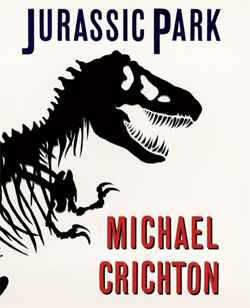
Book covers with Chip Kidd, author of The Learners, art director at Knopf/Random House - What a hilarious guy. As an art director and also a freelancer, Chip Kidd is responsible for a slew of awesome book covers. He took us through some of his successes, and also a whole bunch of covers that editors and authors flat-out rejected. His work includes the jackets for Jurassic Park and Schulz and Peanuts. More covers.

Manuscript reviews with Bob Weil, Norton- Though this section didn't have quite the star power of those listed above, it was interesting nonetheless. Before the program, we were each mailed a manuscript and asked to write a reader report on it. We didn't know if it had been accepted or rejected by a publisher (it turns out they're all being published). This week, we got to meet with the editor of the piece, and discuss why he/she chose it, how it would be marketed, etc. My group's guide was Bob Weil, editor at W. W. Norton, which publishes nonfiction and very literary fiction. It was definitely helpful to see what changes he thought still needed to be made, and why Norton accepted it.

Global marketing strategy with Caroline Pittis, HarperCollins
- I was so impressed with this presentation. Caroline went from the basics of marketing to the specific ways HC is tracking its online presence, from author websites to Twitter, from how to make money by offering things for free to the future of ebooks. Very, very informative and well planned out.

Tuesday, June 16, 2009

Day 2

This morning we heard from Morgan Entrekin, publisher at Grove/Atlantic, a midsized independent publisher. Independents have grown significantly in the last 25 years or so, benefiting from (close your ears, indie bookstores) the explosion of Amazon.com, Barnes and Noble, etc. This trend, he said, has put smaller publishers on an even playing field with the publishing giants. Previously, small companies lacked enough of a sales force to effectively sell books to stores across the country. Now, they can meet with four or five buyers and cover most of their consumers.

Next was a presentation by career counselor Ellen Reeves. She is without a doubt the most straightforward and effective person I've ever heard give advice. So many things to mention... but you should just check out her book, Can I Wear My Nose Ring to the Interview? It answers virtually every question a person entering the job force out of college would think to ask.

This evening, we had the opportunity to ask questions of Elizabeth Straut, who won the Pulitzer Prize for Fiction for her book of interrelated short stories, Olive Kitteridge. This was especially cool because Olive is a book I came across at S&S UK last year (though it's under Random House over here). Rather than concern herself with publicity specifics and book reviews, Straut focuses almost entirely on the content and quality of her writing. When a book flops, she's disappointed that she doesn't get to spread her message to readers. She said she didn't even know she was up for the Prize, and it came as a complete surprise. It was nice to hear from someone on the writing side of publishing, and to come across a person with an unconventional view of success.

Fun fact: 80% of all jobs are "hidden" (not advertised publicly)

Quote of the day: "Try not to be the person who states the obvious with a sense of discovery."

Books to add to my ever-growing must-read list: How I Became a Famous Novelist (spoof on publishing by a 30 Rock writer), Olive Kitteridge, Amy and Isobel, something John Updike, something Sarah Vowel

Monday, June 15, 2009

DAY 1

Morning lecture - Our keynote address was given by Michael Pietsch, publisher of Little, Brown & Company. He talked about the history of publishing, which was interesting, and addressed what we were all wondering - Is publishing dying?? (Answer: no.) He brought up other points in history when people thought books were disappearing, and ended up being wrong - which was just the kind of news we wanted to hear. We all know we need to embrace the internet and the digital book reader, and think of new ways to get with the times, but it was very nice to hear from someone who wasn't all doom and gloom. LB&C is actually doing quite well, even in this economy. After the lecture, I was in the right place at the right time, and got to sit at his table for lunch, and ask more questions.

Afternoon lecture - Here began the "too many of you think you only want to do editorial" section of the course. We heard from John Fagen, directory of many things marketing at Penguin. We learned all about how publishers market hardcovers and paperbacks, and decide how much money to spend on each project. He spoke a lot about marketing online, and how the whole staff is learning how to make author videos and book trailers. We learned the difference between marketing and publicity, as well as promotion and advertising. Some books with very interesting personalities behind them benefit from author tours, while others are aimed at certain demographics and special interest groups. He also brought us some awesome Penguin tote bags! Free advertising? I don't care - it's a great bag.

Evening lecture - Bob Gottlieb, editor at Knopf (Random House). Bob has edited such things as Catch 22 and Bill Clinton's autobiography, and had great stories about the authors of each (for one: "I'm not working for you. You're working for me." The other: "It was like working with another surgeon on the same patient." You decide.) He has confidence that most good authors are eventually recognized by the public - even if their first book doesn't sell, they will eventually hit the right note with readers.

As a side note, I've enjoyed meeting the other students. BU didn't have a publishing program, so I've never been around this many people who want to work with books (or magazines, in some cases). It's a little strange comparing stories with people I will potentially be competing for jobs with, but for the most part it's been helpful to hear about everyone else's experiences, and fun to meet book-type people.


Quote of the day: Publishing is "making public your enthusiasm."

Phrase of the day: While some people are "automatic writers" (write it, get it done, don't need to edit), I am an "automatic editor" - I always feel the need to correct everything I see.

Fun fact: Stores like Target and Walmart account for half of Dan Brown's sales.

Fun fact: Tina Fey's publisher accepted her upcoming book without even reading a proposal - she's such a good writer and has amassed such a following that they were confident she would succeed regardless.

Books mentioned that I have read: The Lovely Bones, The Da Vinci Code, The Memory Keeper's Daughter

Books to add to my ever-growing must-read list: The Historian, The Horse Boy, Julie & Julia, The Piano Teacher, Shadow of the Wind, Fun Home, Infinite Jest, The Chosen, The Golden Notebook

Free stuff count: 4 books, 1 tote bag

Columbia publishing course

After graduating in January, I did not have much luck applying to publishing jobs in Boston or NYC. I decided to apply to two summer publishing programs, one at Columbia and one at NYU. While I debated accepting my admittance, I felt that I really needed to take a proactive step toward the career I knew I wanted. I looked into both, and was impressed with how well planned the Columbia program seemed, and how connected the director was.

So now, I find myself at 115th and Broadway, living for six weeks on the Columbia campus. My family lives about 40 minutes away, so I'm familiar with the city, but I've never lived here and am excited to find out more.

It seems like most of my exploring will be done on the weekends, because the CPC handed us a schedule chock full of presentations and group meetings. Each day, we have three presentations from people who are huge in the publishing field, and we're invited to ask them questions about their imprints and experiences. We have three weeks of book talks, and then two weeks of magazines and a week of digital media. To some degree I wish this were all about book publishing, as I took many magazine classes and workshops in college, but it is interesting to compare the two. The last week should definitely be worthwhile, as we'll all be expected to use the internet in everything we do, once we get jobs. A segment of the course also addresses things like interviews and resumes, which promises to be helpful.

Before the course, we had a bunch of assignments. I had to list my favorite books, read an upcoming novel and write a marketing plan for it, read a manuscript and write a reader report, and create a book idea of my own. Each of those will be commented on by real professionals in the field.

CPC